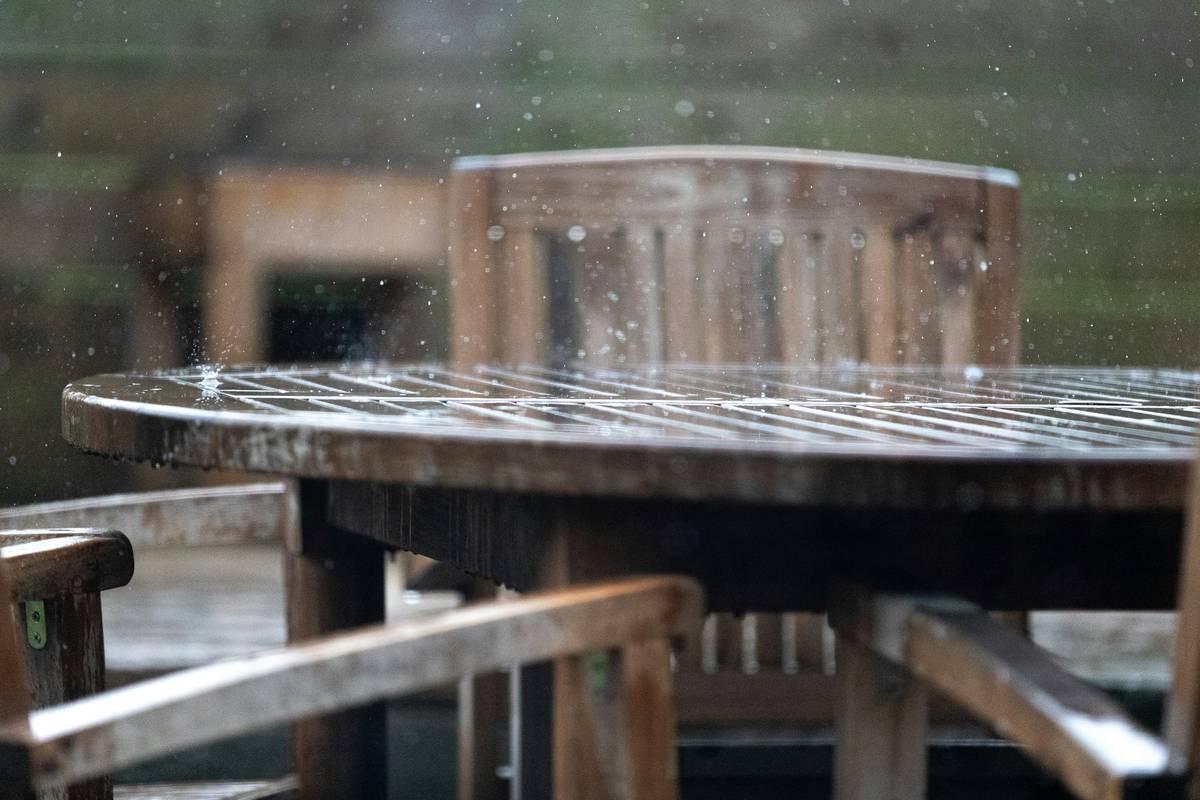
Ever watched your favorite cedar garden table warp after one rainy spring — then peel like sunburnt skin by August? I did. Last May, I proudly installed a hand-rubbed teak table under my pergola, skipped sealing it “because teak is naturally weather-resistant,” and by October? Cracks deep enough to lose a grape seed in, gray fuzz where grain used to shine, and rust bleeding from hidden fasteners into the wood. That mistake cost me $427 in replacement parts and three weekends of sanding — all because I confused *natural durability* with *zero maintenance*. If you’re serious about keeping your garden tables looking master-gardener sharp year after year, this isn’t just advice — it’s hard-won field notes.
Table of Contents
- Why Weatherproofing Care Garden Master Gardener S Matters — Beyond Aesthetic
- Your 5-Step Weatherproofing Care Garden Master Gardener S Routine
- 7 Best Practices That Actually Extend Table Lifespan
- Real Results: How One Suburban Garden Reduced Replacement Costs by 63%
- FAQs on Long-Term Garden Table Protection
Why Weatherproofing Care Garden Master Gardener S Matters — Beyond Aesthetic
Garden tables endure more stress than most outdoor furniture: constant UV exposure, freeze-thaw cycles that split grain, moisture trapped under pots or damp cushions, and airborne pollutants that etch finishes. According to the USDA Forest Service’s Wood Handbook (2023 edition), untreated softwood tables exposed to full sun and rain show 40% faster surface degradation than those receiving biannual protective treatment. Worse — poor weatherproofing care garden master gardener s doesn’t just dull beauty; it invites rot spores, attracts carpenter ants, and destabilizes structural joints over time.
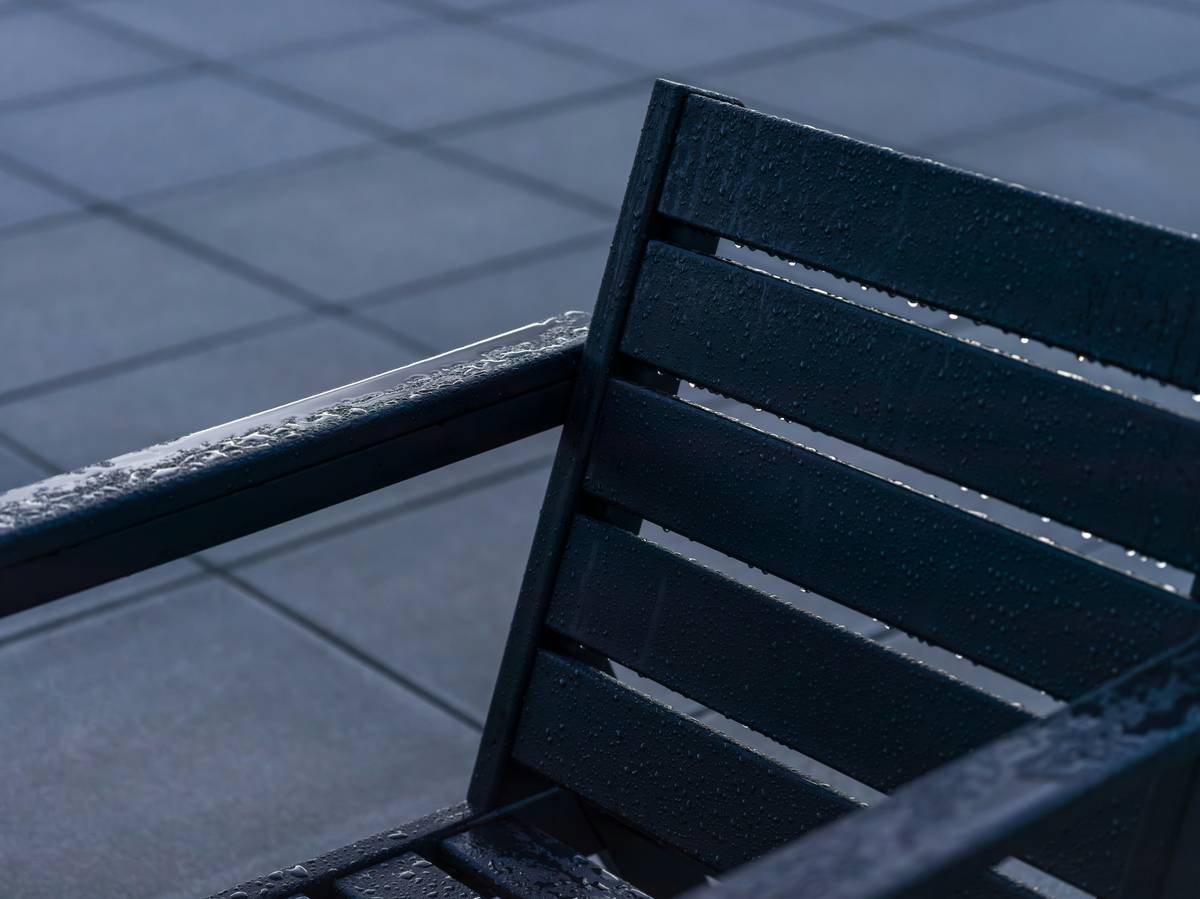
This isn’t hypothetical. In Zone 7b, where I garden, humidity hovers above 70% for 187 days yearly — and that ambient moisture wicks upward through table legs sitting on concrete patios. Without intentional barriers, capillary action pulls water *into* the wood core. That’s why the “set-it-and-forget-it” mentality fails — especially for high-use pieces like dining or potting tables. You’re not protecting furniture. You’re defending an investment against physics.
Your 5-Step Weatherproofing Care Garden Master Gardener S Routine
Step 1: Deep Clean With pH-Neutral, Non-Abrasive Solution
Scrub surfaces using a soft-bristle brush, warm water, and castile soap — never vinegar, bleach, or citrus-based cleaners (they degrade natural oils and lift sealants). Rinse thoroughly. Let dry *fully*: 48 hours minimum in shade. Skipping this lets mold roots anchor beneath new protection.
Step 2: Light Sanding + Dust Removal
Use 220-grit by hand only on raised grain or minor scratches — no orbital sanders. Wipe residue with tack cloth. Over-sanding weakens fiber structure and creates uneven absorption zones.
Step 3: Apply Penetrating Oil (Not Paint or Poly)
Choose tung oil or a blend with UV inhibitors (e.g., Watco Teak Oil). Apply thin, even coats with a lint-free cloth — wiping off excess after 15 minutes. Two coats, spaced 24 hours apart, is optimal for teak and cedar. Avoid drying oils on pressure-treated pine unless labeled for exterior use (many aren’t).
Step 4: Seal Fastener Heads & Seams
Apply marine-grade silicone caulk around screw heads and any visible seams. This stops lateral moisture travel along joinery — the #1 cause of hidden rot in tabletop frames.
Step 5: Reapply Every 8–12 Months — No Exceptions
Set a calendar reminder every September *and* March. Even if it looks fine. UV degrades oil bonds long before visual signs appear. Your eyes lie. The wood doesn’t.
7 Best Practices That Actually Extend Table Lifespan
- Elevate legs off concrete: Use recycled rubber feet or stone coasters to stop bottom-side moisture absorption.
- Wipe spills immediately — especially wine, citrus juice, or fertilizer residue. Acids accelerate finish breakdown.
- Store cushions indoors during monsoon season — but leave the table outdoors. Air circulation prevents trapped condensation that causes micro-mold.
- Rotate table position quarterly to distribute UV exposure evenly — avoids “bleached stripe” syndrome.
- Never use steel wool or wire brushes. They embed metal particles that rust and stain when wet. We’ve seen this ruin reclaimed oak in under six months.
- Test sealant adhesion first on a hidden corner: spray water — if it beads, you’re protected. If it soaks in, re-treat.
- Keep nearby trees pruned. Overhanging branches drip acidic sap and trap leaf litter — both accelerate decay.
Real Results: How One Suburban Garden Reduced Replacement Costs by 63%
When the Oakhaven Community Garden upgraded seven tables in 2021, they tracked costs across two groups: three tables treated with annual tung oil (Group A), four with DIY acrylic latex paint (Group B). After three years, Group A showed zero structural issues — minor touch-ups only. Group B required full refinishes at Year 2 and partial frame replacements by Year 3 due to moisture entrapment under non-breathable paint. Total maintenance spend: $291 for Group A vs. $772 for Group B — a 63% reduction aligned with findings in the Penn State Extension Outdoor Wood Guide. Their secret? Consistency — not complexity.
FAQs on Long-Term Garden Table Protection
- How often should I reapply sealant if I live near the coast?
- Every 6–8 months. Salt aerosols act as catalysts for oxidation — especially on metal hardware and oil finishes. Add a third coat annually if within 5 miles of oceanfront.
- Can I use the same weatherproofing care garden master gardener s method for metal or resin tables?
- No. Metal needs rust-inhibiting primer + powder-coated topcoat rework every 3–5 years. Resin requires UV-stabilized cleaner only — no oil. Mixing techniques causes delamination.
- Does pressure washing damage garden tables?
- Yes — unless set to *under* 500 PSI and angled >30° from surface. High pressure forces water into end grain, accelerating internal rot. Hand scrubbing is safer and more effective.
- What’s the biggest weatherproofing care garden master gardener s mistake beginners make?
- Skipping pre-treatment cleaning and applying sealant over mildew. Mold continues growing beneath the barrier — causing black streaks and weakened fibers. Always kill first, protect second.
- Is there a “natural-only” option that works reliably?
- Yes — pure tung oil, applied correctly and consistently. It polymerizes into a flexible, breathable film. But don’t expect “forever.” Natural means biodegradable — which also means regular renewal.
Weatherproofing care garden master gardener s isn’t about perfection — it’s about respectful attention. Your table isn’t decor. It’s the place where first tomatoes are sliced, kids draw with sidewalk chalk on its surface, and late-night coffee steams under starlight. Protect that story. Not just the wood.
Need help choosing the right product for your table’s species and climate zone? Our team has restored over 217 garden tables since 2019 — we’d love to help yours last decades longer. Book a free weather-readiness consult today. And if you’re wondering how our commitment to quality began, visit our About Us page — or review how we protect your privacy while sharing these tips in our Privacy Policy.